
Bruno, Carissa
Community Consensus and the Making of a Murder: Mariticide, Petty Treason, and Negotiating Justice in Early Modern England.
By Nat Wells
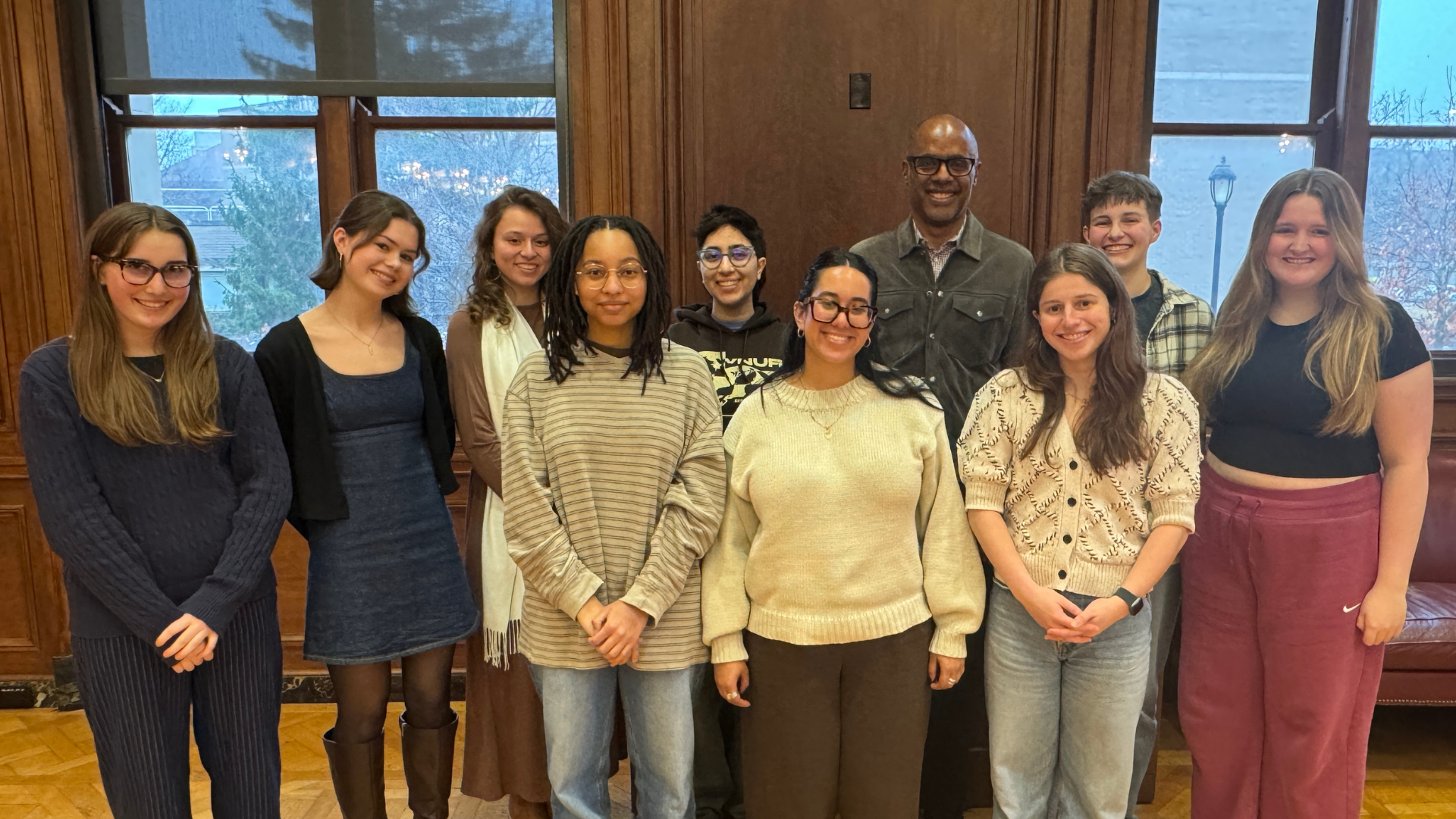
It was the first week of Fall Quarter, and as my peers and I filed into Harris Hall's warmly lit seminar room, the first thing I noticed were the books. Shelves teemed with dozens of works published by faculty members of the History Department, from Our Sister Republics by Prof. Caitlin Fitz, to Stranger in the Shogun's City by Prof. Amy Stanley, to The Ecocentrists by Prof. Keith Woodhouse, my thesis advisor. We were nervous to get started, but all I could think to myself was that we couldn't be in better hands.
Writing a Senior Honors Thesis was a profoundly rewarding way to cap off my undergraduate experience at Northwestern. I started to think about pursuing a thesis after I completed the two-quarter Sanders Seminar in junior year, in which I wrote a journal article about the dietary supplement industry in the United States. My initial thesis proposal centered around wellness culture in the San Francisco Bay Area, but it was admittedly unfocused. I researched different avenues and approaches over the summer before Prof. Woodhouse recommended that I look into CoEvolution Quarterly (CQ). CQ was a counterculture magazine published by Stewart Brand (the creator of the better-known Whole Earth Catalog) from 1974 to 1984, and it was unlike anything I had ever seen before. From unconventional musings on environmentalism to facilitating debates about space colonization, it seemed like Brand's head was everywhere at once. And I wanted to make sense of his idiosyncratic thought process. How could he be so optimistic about technology while also maintaining an environmental conscience? That was the question I asked myself throughout the entire school year as I worked through my first draft, comparing Brand’s inclinations to fluctuating national attitudes towards technology and environmentalism in the mid-20th century.

During the three-quarter Senior Thesis Seminar, my peers and I worked with Prof. Brett Gadsden to not only develop our individual projects, but to work through important questions pertaining to broader historical writing and scholarship. Whose history are we telling, and how does that impact how it is told? How do we capture the agency and perspectives of the actors in our narratives? How do we as writers keep a tight focus and "wrap our arms around" our topics, as Prof. Gadsden always encouraged us to do?
The Thesis Seminar also gave us the opportunity to travel throughout the country in search of archival material. I made a 24-hour trip to Stanford University in late September to look at Stewart Brand's correspondences while he was publishing CQ. Meanwhile, Emma DeRose went to Boston and New York to peruse the original writings of immigration rights activist and author Mary Antin, and Lily Ogburn headed south to Mobile, Alabama, in search of letters written by Mary McNeil Fenollosa while she and her husband lived in Japan in the late 1800s.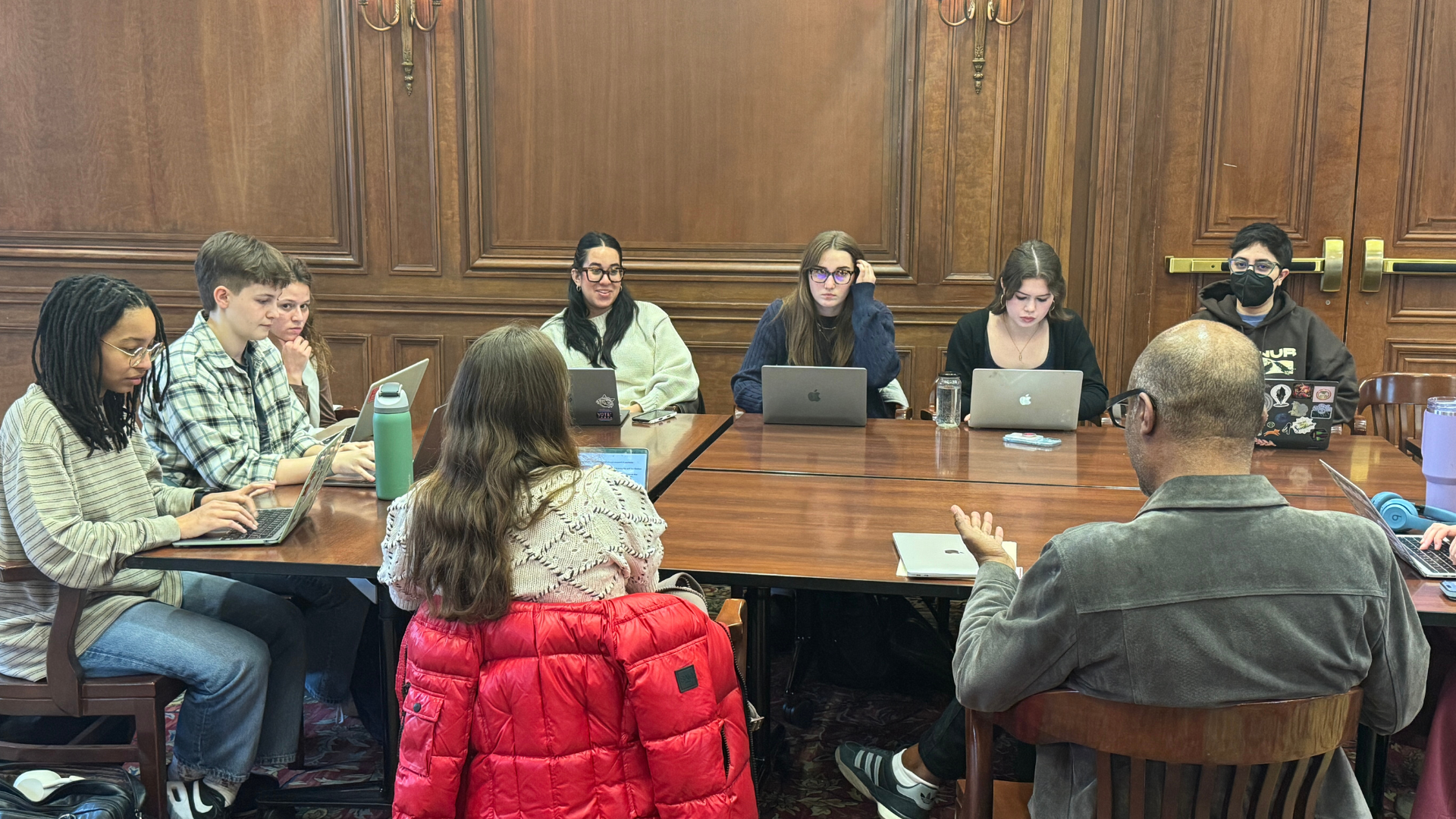
While the nine of us each went on our own individual journeys, some of the most important aspects of the process included providing each other with valuable feedback along the way and supporting each other as we ran into road-bumps. As I embark on the next chapter of my education at the University of Maryland to pursue a Master of Science in Library and Information Science, the Senior Thesis Seminar is an experience I will never forget.
Community Consensus and the Making of a Murder: Mariticide, Petty Treason, and Negotiating Justice in Early Modern England.
“Unholy Spring”: Student Rebellion, Spring Break, and the Myth of Liberation in the 1960s.
Going the Distance: Women’s Fight for Respect and Equity in American Marathoning, 1960-2010.
Daughter of the Sea, Liberty’s Heir: Mary Antin, The Promised Land (1912), and the Battle for Unrestricted Immigration into the United States, 1881-1949.
Stage Mother: The Many Transformations of Oiwa, Japan’s Most Dramatic Ghost.
“I'm Not Okay": Catharsis without Critique in Alternative Rock.
Women Between Worlds: American Wives as Cultural Ambassadors in Meiji Japan.
There Is an Alternative: Breira and the Moral Debate over Establishment.
California Prometheus: Stewart Brand and Techno-Optimism in the Late 20th Century.